
There is no denying the magic of the mayfly.
For a few frantic weeks each year the rivers seem to lose all sense of proportion. Anglers become obsessed. Fly boxes fill with giant drakes. Social media overflows with photographs of heavy trout and oversized dry flies. Every conversation at the riverbank somehow circles back to mayfly.
And rightly so – it is one of the great spectacles in fly fishing.
But sometimes the mayfly feels a little like the loudmouth at the party. Flamboyant. Impossible to ignore. Taking all the attention while quieter, deeper pleasures wait patiently in the background.
Because the truth is this – much of the best fly fishing of the season can happen after the mayfly has faded.
In many ways, the real fishing is only just beginning.
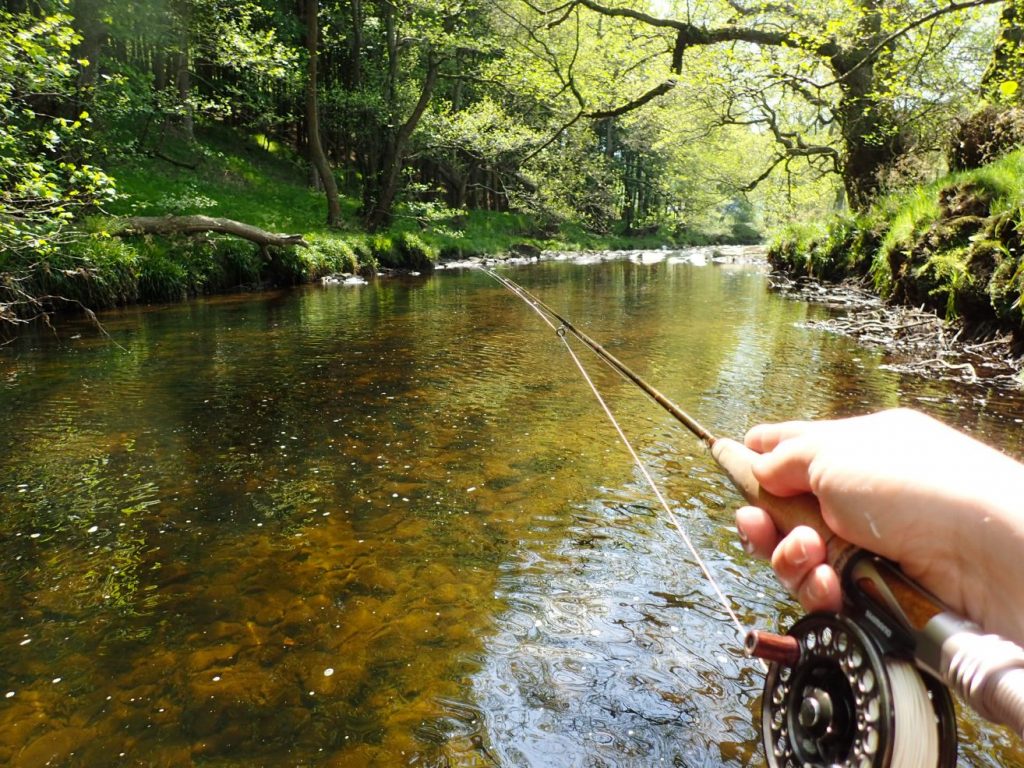
The mythology surrounding mayfly can make anglers forget that trout feed with throughout the summer months. Rivers settle. Weed beds develop. Insect life diversifies. Terrestrials begin to matter. Evening rises become steadier and more selective. Fast riffles oxygenate in warm weather and hold surprisingly aggressive fish.
The season broadens.
The angler who only lives for mayfly often misses the finest chapters of the year.
After the Noise Comes Precision
Once the mayfly subsides, rivers return to a more natural rhythm. Trout stop charging recklessly at giant insects and begin feeding with far greater variety. Presentation matters again. Fly choice matters again. Observation matters again.
Understanding what trout are actually feeding on, rather than relying on guesswork or habit, becomes especially important once the mayfly fades.
Rather than one dominant hatch overwhelming the river, anglers are faced with a procession of smaller food forms – olives, caddis, beetles, gnats, sedges, shrimps, terrestrials and countless subsurface insects. Trout feed opportunistically but often selectively within smaller windows.
And that is where summer river fishing becomes deeply satisfying.
Fast Water and Heavy Feeding Fish
One of the biggest mistakes anglers make after mayfly is continuing to fish the slow, obvious glides.
In summer, some of the most reliable trout move into faster riffled water.
Higher oxygen levels, constant food drift and broken surface currents allow trout to feed confidently. These fish are often less cautious than their flat-water counterparts and will move aggressively for well-presented flies.
This faster water suits modern nymph approaches particularly well. Tight-line nymphing methods excel in pocket water and riffled currents where close control over drift speed and depth becomes possible.
The modern angler has enormous tactical flexibility after mayfly:
- Tight-line nymphing through riffles
- Duo rigs with small dry flies and light nymphs
- Spider patterns swung across current seams
- Small emergers fished just beneath the film
- CDC dries presented upstream in broken currents
And unlike mayfly madness, these methods continue producing fish day after day.
The Understated Glory of the Caddis
The summer caddis hatch rarely receives the same attention, yet it probably accounts for more genuinely enjoyable trout fishing across a full season.
As light fades and temperatures soften, caddis begin fluttering over riffles and glides. Trout rise differently to sedges – often faster, splashier, more confident. At times they seem almost reckless.
There are few finer ways to fish than skating a caddis pattern across the tail of a pool on a warm evening.
Not dead drifting.
Not perfectly delicate.
Just enough movement to suggest panic.
That slight V-wake can trigger savage takes from fish that ignored static presentations moments earlier.
Patterns Worth Carrying
For summer caddis fishing:
Fishing pupa patterns just below the surface film can be devastating during these transitions.
The Evening Rise
There is something deeply civilised about summer evening fishing.
The crowds disappear. Shadows lengthen. Birds skim low over the water. The river softens.
And then the trout begin.
June and July evenings often produce the most consistent dry fly sport of the entire year. Longer summer days and rising temperatures steadily increase evening insect activity.
This is not usually the chaotic feeding frenzy of peak mayfly.
It is subtler than that.
Single dimples beneath overhanging trees.
Quiet head-and-tail rises in the crease of a riffle.
One confident fish feeding steadily beneath an alder.
These moments demand patience.
Sometimes the best approach is simply to sit down and watch for ten minutes before even assembling the rod.
Beetles Beneath the Trees
By high summer, terrestrial fishing becomes one of the great overlooked pleasures of river trout fishing.
Beetles, ants and land-based insects become hugely important, especially on smaller rivers lined with vegetation.
And few things in fly fishing are more exciting than dropping a beetle pattern beneath overhanging branches and watching a trout appear from nowhere.
It is intimate fishing.
Close-range fishing.
Fishing where stealth matters far more than distance.
A badly placed cast can empty an entire pool.
But a good one can produce explosive takes from trout that rarely show themselves openly.
Summer Terrestrial Patterns
- CDC Beetle
- Foam Beetles
- Black Ant
- Daddy Long Legs
- Small Black Gnat patterns
The Hawthorn hatch itself may be brief, but trout often continue taking black terrestrials long after the main hatch has faded.
Streamers for the Biggest Fish
Not every memorable summer trout is caught on a dry fly.
Some of the largest brown trout in a river become increasingly predatory as summer progresses.
Low light. Coloured water. Overcast afternoons. The last hour before darkness.
These are streamer moments.
Streamer and baitfish patterns are used to imitate larger prey items and provoke aggressive takes from predatory trout.
A large trout swinging out from beneath a cut bank to intercept a moving fly remains one of the most exciting encounters in freshwater fishing.
Patterns worth carrying include:
Fish them across and down. Let them swing. Pause them occasionally. Keep moving until you find active fish.
Summer Nymphing Is Far from Boring
In reality, summer nymphing can be exceptional.
Fast water trout often feed heavily below the surface throughout bright conditions, especially during midday periods when surface activity slows.
Modern euro nymphing methods allow anglers to maintain precise contact through broken currents and deeper runs.
Summer nymph patterns worth carrying include:
- Pheasant Tail Nymph
- Hare’s Ear
- Small jig streamers
- Pink or olive shrimps
- Sawyer-style killer bugs
Freshwater shrimp remain among the most important food items in many rivers throughout the year.
Frank Sawyer understood this long before modern trends caught up.
Grayling and the Forgotten Summer
Even grayling, so often associated purely with winter fishing, deserve more summer attention.
Summer grayling fishing remains hugely overlooked despite warm evenings, terrestrial falls and sedge activity producing excellent sport long before autumn arrives.
And unlike winter grayling fishing, summer fish rise willingly.
The Best Is Yet to Come
The strange thing about mayfly is that it often arrives just as rivers are waking up properly.
The river is not ending after mayfly.
It is opening out.
There are still warm evenings ahead.
Still riffles alive with feeding trout.
Still caddis fluttering through dusk light.
Still beetles dropping from alder branches.
Still big trout waiting beneath the banks.
Still mornings where mist lifts slowly from fast runs while swallows hunt low over the water.
Mayfly deserves its reputation.
But the angler who looks beyond it often discovers something even better – a fuller, richer, quieter understanding of the season.
And for many of us, that is where the real river fishing begins.
“`