
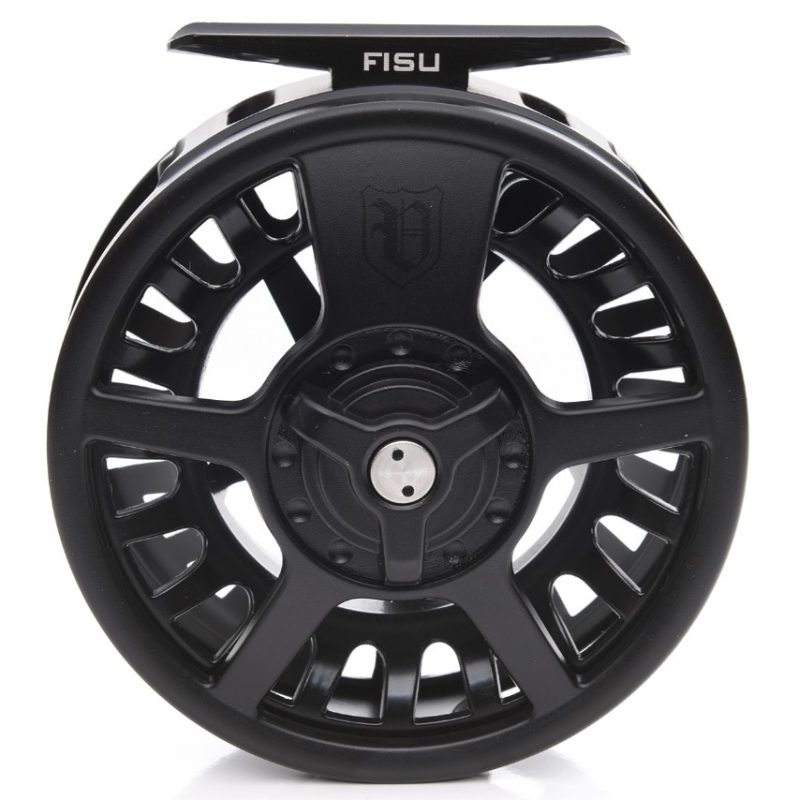
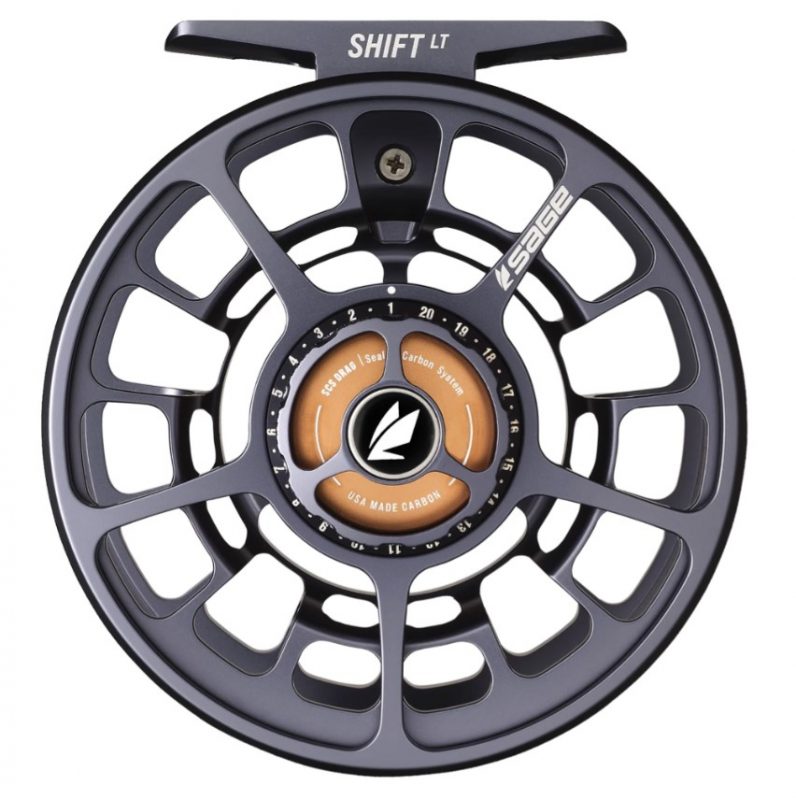
When buying a new fly reel, one of the biggest decisions is whether to choose a die cast or CNC machined model. Both hold fly line and provide drag when needed, but the way they are made has a major impact on strength, weight, durability, finish and price.
A good die cast reel can offer excellent value for money, while a CNC machined reel is usually a more serious investment. Understanding the difference helps explain why two reels that look quite similar can sit at very different price points.
What Is a Die Cast Fly Reel?
A die cast fly reel starts as molten aluminium alloy. The liquid metal is injected under pressure into a hardened steel mould, known as a die, where it cools and forms the basic shape of the reel frame or spool.
Once removed from the mould, the casting is cleaned up and key areas are machined to the required tolerances. The reel is then finished, assembled and fitted with its drag system.
Because the mould creates most of the final shape, die casting is a fast and efficient manufacturing method. This is why die cast reels are usually more affordable.
What Is a CNC Machined Fly Reel?
A CNC machined reel starts with a solid block, or billet, of aluminium. The reel frame and spool are then cut from that billet using computer-controlled milling machines.
CNC stands for Computer Numerical Control. In simple terms, this means the cutting tools are controlled by a computer programme, allowing the manufacturer to produce highly accurate and repeatable components.
Instead of pouring metal into a mould, the machine gradually removes material until the final reel part remains. This takes longer, wastes more raw material and requires more complex machinery, which is why CNC machined reels cost more.
How Die Cast Reels Are Made
- Aluminium alloy is melted.
- The molten metal is injected into a steel mould under pressure.
- The casting cools and solidifies.
- The part is removed from the mould.
- Excess material is trimmed away.
- Critical surfaces are machined.
- The reel is painted, coated or anodised.
- The drag system and internal components are fitted.
How CNC Machined Reels Are Made
- A solid aluminium billet is selected.
- The billet is clamped into a CNC milling machine.
- Computer-controlled cutters remove material from the billet.
- The frame, spool and ports are machined to precise tolerances.
- The parts are finished, usually by anodising.
- Bearings, drag parts and fittings are assembled.
Materials Used
Die Cast Reels
Die cast reels are usually made from aluminium alloys that flow well when molten. These alloys are suitable for general fly fishing use, especially trout fishing, but they are not usually as strong as the billet aluminium used in higher-end machined reels.
Some entry-level reels may also use composite or polymer parts for knobs, covers or other non-structural components.
CNC Machined Reels
Most quality CNC machined fly reels are made from aircraft-grade aluminium, commonly 6061-T6 aluminium. This material is strong, relatively light, corrosion resistant and well suited to precision machining.
Some premium reels may use stronger aluminium grades, but for most freshwater and saltwater fly reels, 6061-T6 is the standard high-quality material.
Strength and Durability
CNC machined reels are generally stronger than die cast reels. Because they are cut from solid aluminium billet, they usually offer better structural integrity and tighter tolerances.
Die cast reels can still be perfectly reliable, but the casting process can leave the metal more vulnerable to cracking or distortion under heavy impact. For normal trout fishing this may never become an issue, but for salmon, saltwater fishing or regular hard use, a machined reel has a clear advantage.
Weight
A CNC machined reel is not automatically heavier. In fact, because billet aluminium is strong, manufacturers can often remove more material from the frame and spool while still keeping the reel rigid.
This is why many premium machined reels are both light and strong. Die cast reels can also be light, but they often need more material in key areas to maintain strength.
Precision and Feel
CNC machining allows very accurate tolerances. This can give a reel a smoother, more refined feel, with better spool alignment, less wobble and more consistent drag performance.
Die cast reels have improved significantly over the years, and many modern models feel very good in use. However, a well-made CNC machined reel usually feels more precise and engineered.
Finish and Corrosion Resistance
Many CNC machined reels are hard anodised, giving them a durable finish that resists wear and corrosion well. This is particularly useful for saltwater fishing, where corrosion resistance matters.
Die cast reels may be painted, coated or anodised depending on the model. Cheaper finishes can chip more easily, especially if the reel is dropped on rocks or knocked against hard surfaces.
Whatever reel you use, always rinse it carefully after saltwater fishing and allow it to dry properly before storage.
Pricing
Why Die Cast Reels Cost Less
Once the mould has been made, die cast reels can be produced quickly and efficiently. This keeps the cost per reel lower, especially in larger production runs.
Typical die cast reel pricing is often around £30 to £120, depending on brand, size and drag quality.
Why CNC Machined Reels Cost More
CNC machining is slower and more expensive. The reel is cut from a solid block of aluminium, which takes machine time, skilled programming and more finishing work. A lot of the original billet is also cut away during production, although this waste material can usually be recycled.
Typical CNC machined reel pricing is often around £150 to £900+, with some premium salmon and saltwater reels costing over £1,000.
Advantages of Die Cast Fly Reels
- Lower purchase price.
- Excellent value for money.
- Ideal for beginners and occasional anglers.
- Perfectly suitable for most trout fishing.
- Modern die cast reels can perform very well.
- Good option for spare rods or backup outfits.
Disadvantages of Die Cast Fly Reels
- Generally less strong than CNC machined reels.
- Can be more vulnerable to impact damage.
- May have less precise tolerances.
- Finishes can chip more easily on cheaper models.
- Not always the best choice for heavy saltwater or salmon use.
Advantages of CNC Machined Fly Reels
- Very strong and durable.
- Precision engineered.
- Often lighter for their strength.
- Excellent spool fit and alignment.
- Usually better corrosion resistance.
- Often fitted with higher quality drag systems.
- Better suited to regular use, large fish and demanding conditions.
Disadvantages of CNC Machined Fly Reels
- More expensive to buy.
- The benefits may be unnecessary for casual trout fishing.
- Still possible to scratch, dent or damage if badly treated.
- Premium reels can be overkill for simple freshwater fishing.
Which Type of Fly Reel Should You Choose?
If you are new to fly fishing, mainly fish for trout, or want a reliable reel without spending too much, a good die cast reel is often the sensible choice. Modern die cast reels are far better than many anglers give them credit for and can provide years of dependable service.
If you fish regularly, target salmon, pike or saltwater species, travel with your gear, or simply appreciate better engineering, a CNC machined reel is usually worth the extra cost. It should be stronger, more precise and better equipped to cope with demanding use.
The Peaks Fly Fishing View
Both die cast and CNC machined fly reels have their place. For many trout anglers, a well-made die cast reel is all they realistically need. It keeps the cost down and does the job well.
For anglers who fish hard, target larger species or want a reel that should last for many seasons, CNC machined reels offer a genuine upgrade. The additional cost is not just marketing; it reflects the materials, machining time, finish and engineering involved.
The best fly reel is not always the most expensive one. It is the one that matches the fishing you do, the budget you have and the level of performance you actually need.
You can check out all our fly reels here.